The Pattern
Four Gospel accounts converge into one mandate. Acts records it lived out. The epistles assume it has already been obeyed. Read them in that order.
The mandate that shaped the message
On a hillside in Galilee, the risen Lord gathered the disciples and gave the charge that would shape every sermon to come. Each Gospel account adds its own note to the same symphony — together they form one unified command.
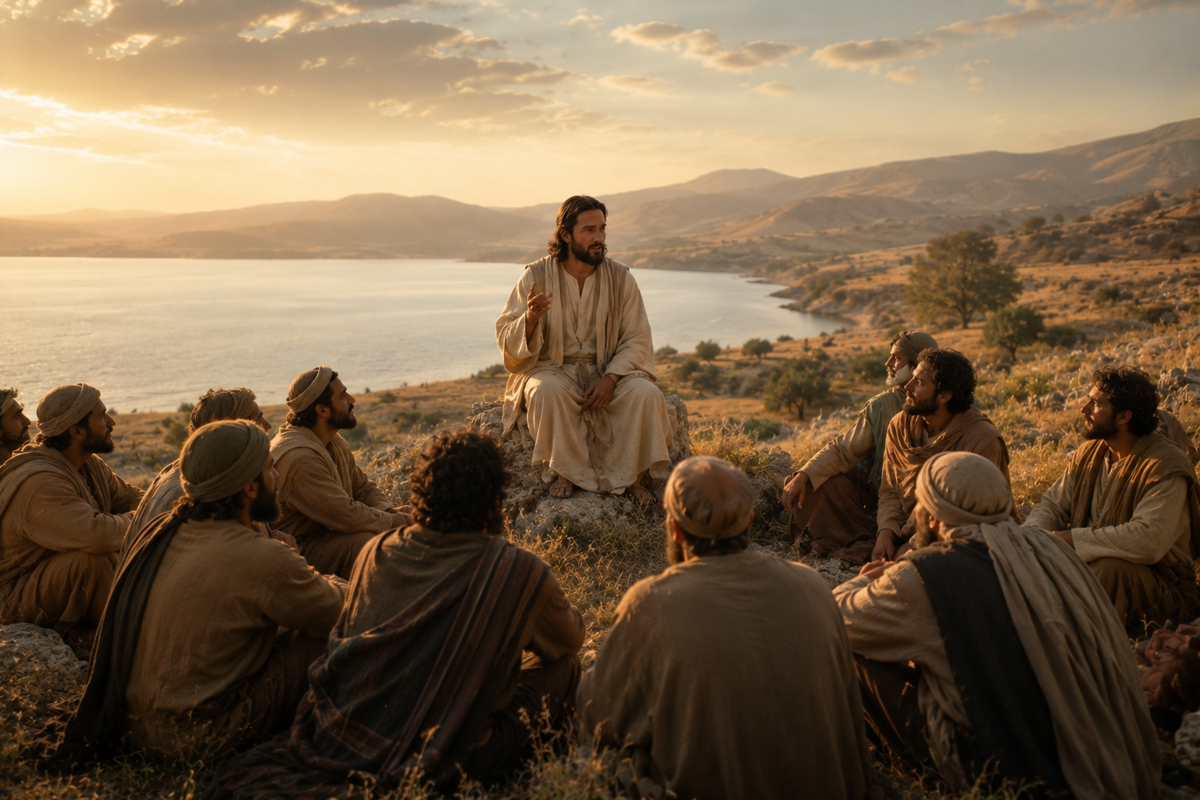
Matthew 28:18–20
Scope and authority
"All power is given unto me in heaven and in earth. Go ye therefore, and teach all nations, baptizing them in the name of the Father, and of the Son, and of the Holy Ghost."
Mark 16:15–16
Belief, baptism, and signs
"He that believeth and is baptized shall be saved." Signs would follow — including new tongues — as divine affirmation that the message was true.
Luke 24:46–49
Repentance, remission, and power
"Repentance and remission of sins should be preached in his name among all nations, beginning at Jerusalem… tarry ye in the city of Jerusalem, until ye be endued with power from on high."
John 20:21–23
The breath of the Spirit
"Receive ye the Holy Ghost: whose soever sins ye remit, they are remitted unto them." The whisper beside the Jordan would become the roar of Pentecost.
Acts 1:8
Witnesses to the ends of the earth
"Ye shall receive power, after that the Holy Ghost is come upon you: and ye shall be witnesses unto me both in Jerusalem, and in all Judaea, and in Samaria, and unto the uttermost part of the earth."
The church ignited
Pentecost was not an ending. It was the setting of a course. The promise that had been breathed in John, commanded in Matthew and Mark, and awaited in Luke converged into a single, unmistakable moment — and Peter opened the door exactly as Jesus intended.
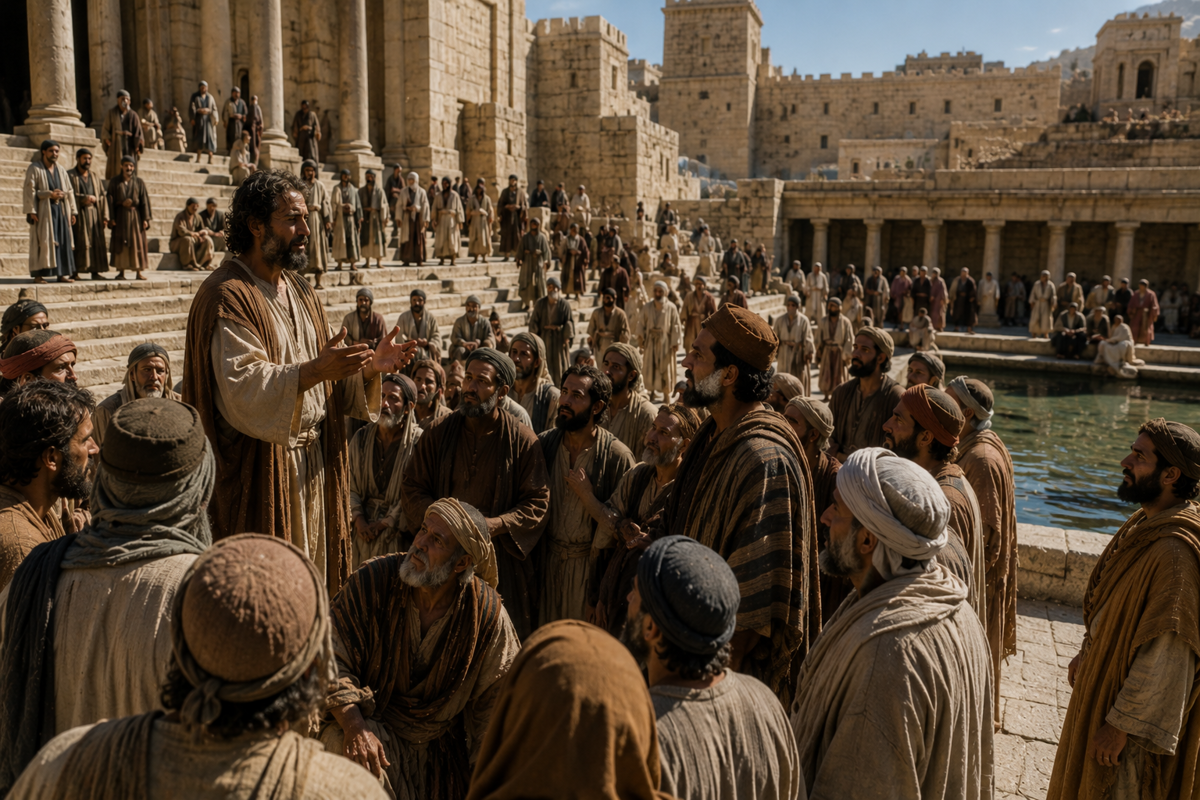
The question
"Men and brethren, what shall we do?" — Acts 2:37
The answer
"Repent, and be baptized every one of you in the name of Jesus Christ for the remission of sins, and ye shall receive the gift of the Holy Ghost." — Acts 2:38
The scope
"For the promise is unto you, and to your children, and to all that are afar off, even as many as the Lord our God shall call." — Acts 2:39
Peter did not invite the crowd to feel saved — he called them to respond. By day's end, Jerusalem's waters were alive with movement. Three thousand souls were added — not to an institution, but to a body alive with the very breath of God.
From story to letters
Acts ends without an ending — the church is everywhere now. What comes next is different. The epistles do not reintroduce the gospel; they speak to believers who have already heard it, obeyed it, and are learning to walk within what they received.
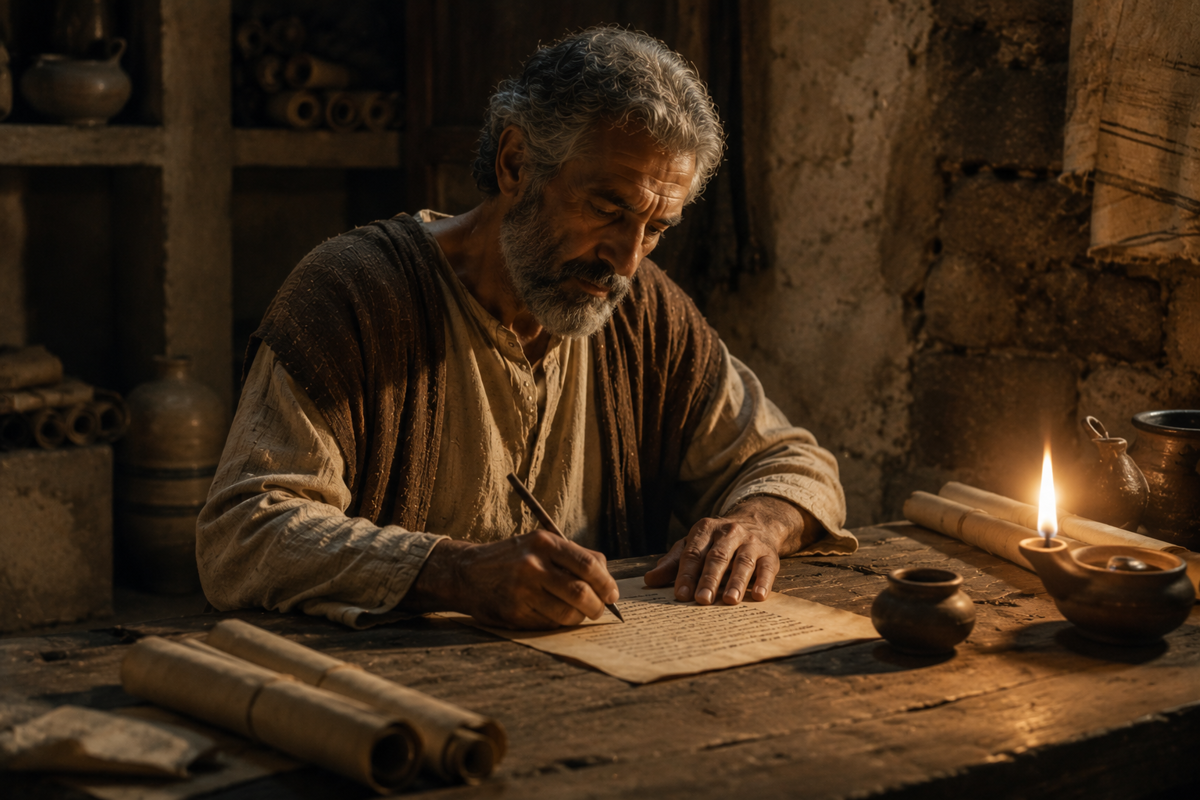
Acts vs. the Epistles
Acts
History observed. The gospel preached to unbelievers for the first time. Hearts pricked. The question: What shall we do?
Epistles
Letters to believers already inside the faith. Past tense: "you were washed," "you received the Spirit," "you obeyed from the heart." The question: How then shall we live?
When Paul writes "one Lord, one faith, one baptism" to the Ephesians, that unity was not theoretical — it had been lived first. Acts must be read before the epistles, not after. The events in Acts are the anchor; the epistles address the drift.
"Faith cometh by hearing, and hearing by the word of God." — Romans 10:17. The gospel was preached before it was ever written.